
Five Killer Quora Answers On Gutter Downpipe Replacement

 Dominik
2024-12-04 17:43
49
0
본문
Gutter Downpipe Replacement - Two Unsung Heroes
The downpipe and the gutter are often ignored when you are trying to protect your home from the unpredictable Australian weather.
Guttering is a similar to a trough structure that is positioned along the edge of your roof that collects rainwater and channels it away from your foundations and walls. Downpipes stop water from flowing over and guard against structural damage to your structure.
Material
Downpipes are a part of the gutter system. They carry water to the ground, and prevent damage to the foundation and landscaping. They are constructed from robust materials that can withstand the harshest weather conditions. They are available in various sizes and styles. Guttering downpipes must be checked regularly, particularly after heavy rainfall and during storms, to ensure they are operating correctly and are not blocked. They should be cleaned out regularly to avoid overflow.
The size of the downpipe is determined by its function and the type of material used. Plastic downpipes are slim and lightweight, whereas aluminium is sturdy and corrosion-resistant, making it more robust. Both are available in different lengths, thicknesses, and materials However, it is essential to choose the right size downpipe to avoid blockages and clogging.
There are many different forms of downpipes. While most are round, there are rectangular or square downpipes designed to meet specific drainage requirements. Some downpipes are made of galvanised steel which is resistant to rust, which makes them long-lasting and durable.
There are various kinds of elbows for downpipes that can be used to change the direction of the downpipe flow permitting it to flow left or right. A B-style elbow may be used, for instance to redirect the flow of the downpipe from the gutter outlet toward a grassy or driveway area. Offset bends are angular sections that connect the outlet of the downpipe to the downpipe. The most popular type is an 112.5 degree bend that, when connected together, creates a traditional "swanneck" bend.
Downpipe accessories like leaf catchers and rainwater heads can be added to your system to increase its efficiency by getting rid of debris. These are able to increase the size of downpipes and prevent overflow.
Investing in high-quality guttering and downpipes today will save you money in the future on repairs. Proper installation regular maintenance and inspections, and adequate drainage can help your downpipes to last longer and protect your home from water damage.
Design
The gutter downpipe may not seem like much but it is a vital element of your home's drainage. It is exposed to the elements and it is susceptible to wear. You can make sure it's functioning by checking for leaks and blockages regularly.
It is important to consider the dimensions and location of the downpipes to ensure proper drainage. It is crucial to take into consideration the size of your roof and pitch when deciding on how much to replace gutters and downpipes uk many downpipes you need to ensure that the system is flowing. The proper number of downpipes can also stop overflow or pooling.
Gutter downpipes should be located away from foundations and near the point where rainwater should drain. This will stop it from soaking into the soil and prevent serious structural damage. Downpipes are typically connected to underground drainage that then channels the water into a stormwater drainage.
If you have an older gutter downpipe that is leaking downpipe repair or damaged, you must replace it immediately. Leaking downpipes could cause water to enter your wall cavities, which can harm the structure of your home and cause costly repairs. You can avoid this problem by replacing your downpipes by installing new ones that are rust-resistant and come with an anti-leak seal.
While picking the color of your downpipe isn't as easy as picking the color of your guttering, it can be a good idea to match your downpipes to your trim and siding. This will create an appearance that is more attractive and professional. It's not necessary to match downpipes and gutters for those who repairs guttering prefer an elegant and minimalist design.
It is essential to employ an authorized plumber to replace your guttering, as incorrect installation could be extremely dangerous. A small error can result in thousands of dollars in repair costs, and could cause property damage that is severe. It is essential to get the job done properly, so that you can have peace of mind knowing your guttering and downpipe system is safe from water damage for a long time to come.
Installation
When you install your gutter downpipes, make sure you are using the right materials. The right material will make your downpipes durable and last for a long time. It is also important to ensure that the gutter downpipes are securely secured and sealed to prevent water leaks. If you aren't certain about the procedure, it's best to seek professional assistance from a roofer.
You can select from a range of gutter downpipes to match the design and style of your home such as copper, aluminum galvanised steel, galvalume. Each has distinct advantages and drawbacks, so it is crucial to weigh them carefully before making a decision. For instance, copper is a highly durable metal that can last for a long time. However it is more expensive than galvanised or aluminium steel.
After you have decided on the downpipes, you will need to put them in place on your home. Begin by measuring the roof to determine the length you'll require your downpipe. Next, use a meter to make sure your gutters are evenly sloped. If the slope is not enough, you may have to alter the height of your gutters to ensure a smooth flow of water.
Attach the downpipes to the fascia board by using lag screws. You can also put downpipe brackets to help keep them in place. The brackets should be evenly spaced along the section you are working on and are placed 18-24 inches from the edge of your roofline. Apply silicone sealant on the downpipes and gutters to keep moisture out.
If your gutters and downpipes are leaking, it's vital to fix them as soon as possible. Leaking gutters can cause damage to your home and garden and may lead to floods. It is also important to check your guttering and drainpipes for signs of wear.
The most common cause of downpipe leaks is dirt build-up. Regularly cleaning gutters and downpipes can help to prevent this issue and spot problems before they become full-blown leaks.
Maintenance
The trough-like metal structures fixed on the roof's edge are referred to as gutters, and they're vital to safeguarding your house from the temperamental Australian weather. They channel rainwater away from foundations and walls to prevent structural damage. But if the guttering or downpipes are damaged, they could cause serious damage.
Even the strongest materials are susceptible to wear and tear by time and exposure to the elements. It is crucial to replace gutters and downpipes as quickly as you can. The best method to do that is to choose a high-quality product constructed from sturdy materials.
Guttering and downpipes are designed to direct water from your roof to the ground and to prevent erosion. The process of directing water could cause damage to the guttering and the downpipes. It's important to check your downpipes and gutters regularly to ensure that they're functioning properly.
If a downpipe isn't operating correctly, it may be leaky or making loud dripping noises. It could be that the downpipes aren't installed securely to the gutters, or they're blocked by debris such as leaves and twigs. This issue can be easily resolved by attaching a rope to the downspout to stop the annoying dripping sound.
Depending on the material, the durability of your guttering may last for a long time before it requires replacement. However, if you have a guttering system that's older than this, or shows obvious signs of rust or leaks, then it's probably time to get it replaced.
Leaking gutters are usually caused by cracks in the seams. To repair these, you should clean the area of your gutter that is leaking take off any old sealant and apply new sealant. Consider connecting your gutters to stormwater drainage systems underground or water butts to reduce the amount of water that is wasted in your home.
The slope and size of your roof will determine the amount of downpipes you need for your guttering. You can determine the right amount of downpipes to fit your home by measuring the slope of your roof or talking to an expert roofing contractor. Also, you should ensure that the downpipes have been installed in a manner that allows them to effectively channel rainwater off the roof to the ground.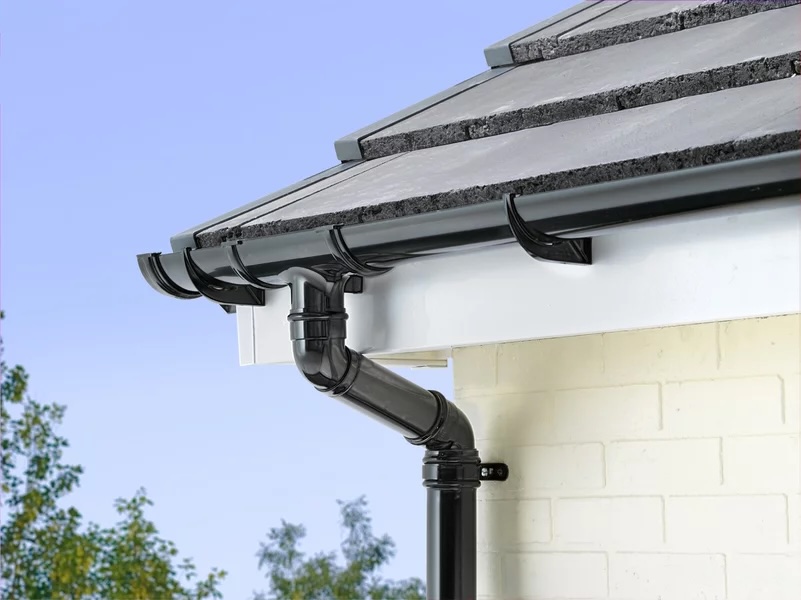
The downpipe and the gutter are often ignored when you are trying to protect your home from the unpredictable Australian weather.
Guttering is a similar to a trough structure that is positioned along the edge of your roof that collects rainwater and channels it away from your foundations and walls. Downpipes stop water from flowing over and guard against structural damage to your structure.
Material
Downpipes are a part of the gutter system. They carry water to the ground, and prevent damage to the foundation and landscaping. They are constructed from robust materials that can withstand the harshest weather conditions. They are available in various sizes and styles. Guttering downpipes must be checked regularly, particularly after heavy rainfall and during storms, to ensure they are operating correctly and are not blocked. They should be cleaned out regularly to avoid overflow.
The size of the downpipe is determined by its function and the type of material used. Plastic downpipes are slim and lightweight, whereas aluminium is sturdy and corrosion-resistant, making it more robust. Both are available in different lengths, thicknesses, and materials However, it is essential to choose the right size downpipe to avoid blockages and clogging.
There are many different forms of downpipes. While most are round, there are rectangular or square downpipes designed to meet specific drainage requirements. Some downpipes are made of galvanised steel which is resistant to rust, which makes them long-lasting and durable.
There are various kinds of elbows for downpipes that can be used to change the direction of the downpipe flow permitting it to flow left or right. A B-style elbow may be used, for instance to redirect the flow of the downpipe from the gutter outlet toward a grassy or driveway area. Offset bends are angular sections that connect the outlet of the downpipe to the downpipe. The most popular type is an 112.5 degree bend that, when connected together, creates a traditional "swanneck" bend.
Downpipe accessories like leaf catchers and rainwater heads can be added to your system to increase its efficiency by getting rid of debris. These are able to increase the size of downpipes and prevent overflow.
Investing in high-quality guttering and downpipes today will save you money in the future on repairs. Proper installation regular maintenance and inspections, and adequate drainage can help your downpipes to last longer and protect your home from water damage.
Design
The gutter downpipe may not seem like much but it is a vital element of your home's drainage. It is exposed to the elements and it is susceptible to wear. You can make sure it's functioning by checking for leaks and blockages regularly.
It is important to consider the dimensions and location of the downpipes to ensure proper drainage. It is crucial to take into consideration the size of your roof and pitch when deciding on how much to replace gutters and downpipes uk many downpipes you need to ensure that the system is flowing. The proper number of downpipes can also stop overflow or pooling.
Gutter downpipes should be located away from foundations and near the point where rainwater should drain. This will stop it from soaking into the soil and prevent serious structural damage. Downpipes are typically connected to underground drainage that then channels the water into a stormwater drainage.
If you have an older gutter downpipe that is leaking downpipe repair or damaged, you must replace it immediately. Leaking downpipes could cause water to enter your wall cavities, which can harm the structure of your home and cause costly repairs. You can avoid this problem by replacing your downpipes by installing new ones that are rust-resistant and come with an anti-leak seal.
While picking the color of your downpipe isn't as easy as picking the color of your guttering, it can be a good idea to match your downpipes to your trim and siding. This will create an appearance that is more attractive and professional. It's not necessary to match downpipes and gutters for those who repairs guttering prefer an elegant and minimalist design.
It is essential to employ an authorized plumber to replace your guttering, as incorrect installation could be extremely dangerous. A small error can result in thousands of dollars in repair costs, and could cause property damage that is severe. It is essential to get the job done properly, so that you can have peace of mind knowing your guttering and downpipe system is safe from water damage for a long time to come.
Installation
When you install your gutter downpipes, make sure you are using the right materials. The right material will make your downpipes durable and last for a long time. It is also important to ensure that the gutter downpipes are securely secured and sealed to prevent water leaks. If you aren't certain about the procedure, it's best to seek professional assistance from a roofer.
You can select from a range of gutter downpipes to match the design and style of your home such as copper, aluminum galvanised steel, galvalume. Each has distinct advantages and drawbacks, so it is crucial to weigh them carefully before making a decision. For instance, copper is a highly durable metal that can last for a long time. However it is more expensive than galvanised or aluminium steel.
After you have decided on the downpipes, you will need to put them in place on your home. Begin by measuring the roof to determine the length you'll require your downpipe. Next, use a meter to make sure your gutters are evenly sloped. If the slope is not enough, you may have to alter the height of your gutters to ensure a smooth flow of water.
Attach the downpipes to the fascia board by using lag screws. You can also put downpipe brackets to help keep them in place. The brackets should be evenly spaced along the section you are working on and are placed 18-24 inches from the edge of your roofline. Apply silicone sealant on the downpipes and gutters to keep moisture out.
If your gutters and downpipes are leaking, it's vital to fix them as soon as possible. Leaking gutters can cause damage to your home and garden and may lead to floods. It is also important to check your guttering and drainpipes for signs of wear.
The most common cause of downpipe leaks is dirt build-up. Regularly cleaning gutters and downpipes can help to prevent this issue and spot problems before they become full-blown leaks.
Maintenance
The trough-like metal structures fixed on the roof's edge are referred to as gutters, and they're vital to safeguarding your house from the temperamental Australian weather. They channel rainwater away from foundations and walls to prevent structural damage. But if the guttering or downpipes are damaged, they could cause serious damage.
Even the strongest materials are susceptible to wear and tear by time and exposure to the elements. It is crucial to replace gutters and downpipes as quickly as you can. The best method to do that is to choose a high-quality product constructed from sturdy materials.
Guttering and downpipes are designed to direct water from your roof to the ground and to prevent erosion. The process of directing water could cause damage to the guttering and the downpipes. It's important to check your downpipes and gutters regularly to ensure that they're functioning properly.
If a downpipe isn't operating correctly, it may be leaky or making loud dripping noises. It could be that the downpipes aren't installed securely to the gutters, or they're blocked by debris such as leaves and twigs. This issue can be easily resolved by attaching a rope to the downspout to stop the annoying dripping sound.
Depending on the material, the durability of your guttering may last for a long time before it requires replacement. However, if you have a guttering system that's older than this, or shows obvious signs of rust or leaks, then it's probably time to get it replaced.
Leaking gutters are usually caused by cracks in the seams. To repair these, you should clean the area of your gutter that is leaking take off any old sealant and apply new sealant. Consider connecting your gutters to stormwater drainage systems underground or water butts to reduce the amount of water that is wasted in your home.
The slope and size of your roof will determine the amount of downpipes you need for your guttering. You can determine the right amount of downpipes to fit your home by measuring the slope of your roof or talking to an expert roofing contractor. Also, you should ensure that the downpipes have been installed in a manner that allows them to effectively channel rainwater off the roof to the ground.
댓글목록0
댓글 포인트 안내